
DIY Solar Panel Installation
Solar panels are being used across the UK as a way to produce free energy in homes which can power appliances and heat water. Using renewable energy such as solar power is also beneficial to the environment and significantly reduces the amount of carbon emissions being produced by households each year. DIY solar panel installation has risen dramatically in popularity over recent years as people look for a cost effective way to have solar power in their home.
Having a suitable home for solar panels
DIY solar panel installation is a much cheaper way of generating electricity and hot water in home than paying expensive costs to expert installers. The cost of a professional installation can be anywhere from £3000-£14000 depending on the chosen system; this is often more than people are able to afford. Before spending money on panels you will need to make sure that your home is suitable. For electric or warm water to be generated to its maximum potential, panels will need to be installed on a roof or wall which faces within 90 degrees of south and has no buildings or other obstructions that can block out sunlight.
Panels are also heavy objects and will a roof will need to strong enough to take the weight; this is especially true when panels are being installed on top of tiles. Seeking the advice of someone with construction knowledge is recommended.
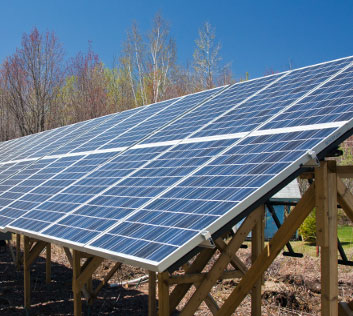
Roof space will also be required; a large amount of space is needed to produce enough energy, although panels can be fitted to a wall by using an ‘A’ frame.
Planning permission is not required in England for DIY solar panel installation unless you live in a listed home or area of outstanding natural beauty. Scotland, Wales and Northern Ireland are currently introducing similar procedures.
Skills required for installation of solar panels
DIY solar panel installation is not aimed at novice DIY’ers and will require plumbing and electric skills as-well someone with knowledge of the roofing aspects required with the job. A head for heights is also recommended and you should have a professional scaffolding firm take care of the all scaffold frames. Panels are extremely heavy and it is wise to work alongside someone with similar skills when carrying out installation.
MCS Solar panel products
Although it is possible to build your own solar panel from scratch, you should look for professional MCS accredited DIY solar panel installation kit.
MCS stands for Microgeneration Certification Scheme and is an independent scheme set up by the Department of Energy and Climate Change. All DIY kits that have MCS accreditation will ensure that meet the highest standards of quality, performance and safety.
Feed-in tariff scheme
The government created feed-in tariff (FIT) scheme allows people which solar panels to sell any unused energy to the national grid. To qualify for the scheme you must have panels signed off by a MCS installer, this rules out DIY solar panel installation. The savings from DIY installation come from not having to pay up £14,000 for an MCS installer; this is equal or better than the amount to be made from the FIT.
- Home
- Types of Solar Panel Installation
- Bosch Solar Panel Installation
- Business Solar Panel Installation
- DIY Solar Panel Installation
- Electricity Solar Panel Installation
- Flexible Solar Panel Installation
- German Solar Panel Installation
- Heating Solar Panel Installation
- Home Solar Panel Installation
- Homemade Solar Panel Installation
- Kyocera Solar Panel Installation
- Photovoltaic Solar Panel Installation
- PV Solar Panel Installation
- School Solar Panel Installation
- Solar Panel Installation Mounting